

United for Infrastructure Newsletter | March 19, 2026
Scaling resilient infrastructure on display at UFI, Florida International University workshop
Last month, United for Infrastructure and Partnership Network member Florida International University (FIU) convened private sector leaders, academics, and public officials in Miami to tackle a central challenge: what do we need to scale resilient infrastructure technologies from pilot projects to real-world deployment?
Discussions focused on what must be true for innovation to scale — including validation, procurement pathways, financing structures, and risk allocation — and how stronger collaboration between researchers, infrastructure owners, investors, and policymakers can help translate promising technologies into projects communities can rely on. The workshop also featured remarks from Miami Mayor Eileen Higgins, Miami-Dade County Mayor Daniella Levine Cava, and Miami Beach Mayor Steven Meiner, who grounded the conversation in the practical challenges cities face in delivering resilient infrastructure and emphasized the indispensable role of cross-sector partnerships in moving solutions from concept to implementation.
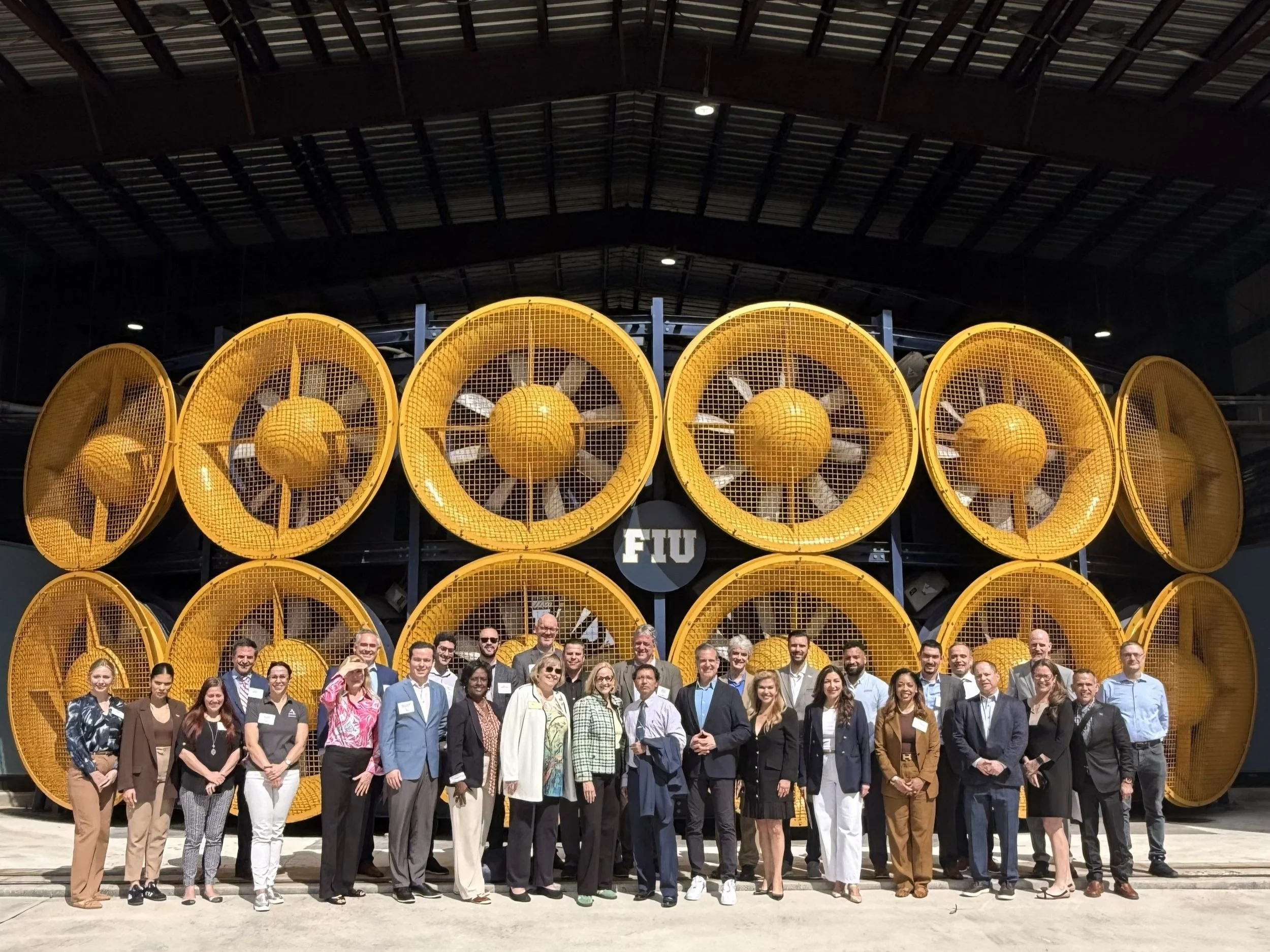
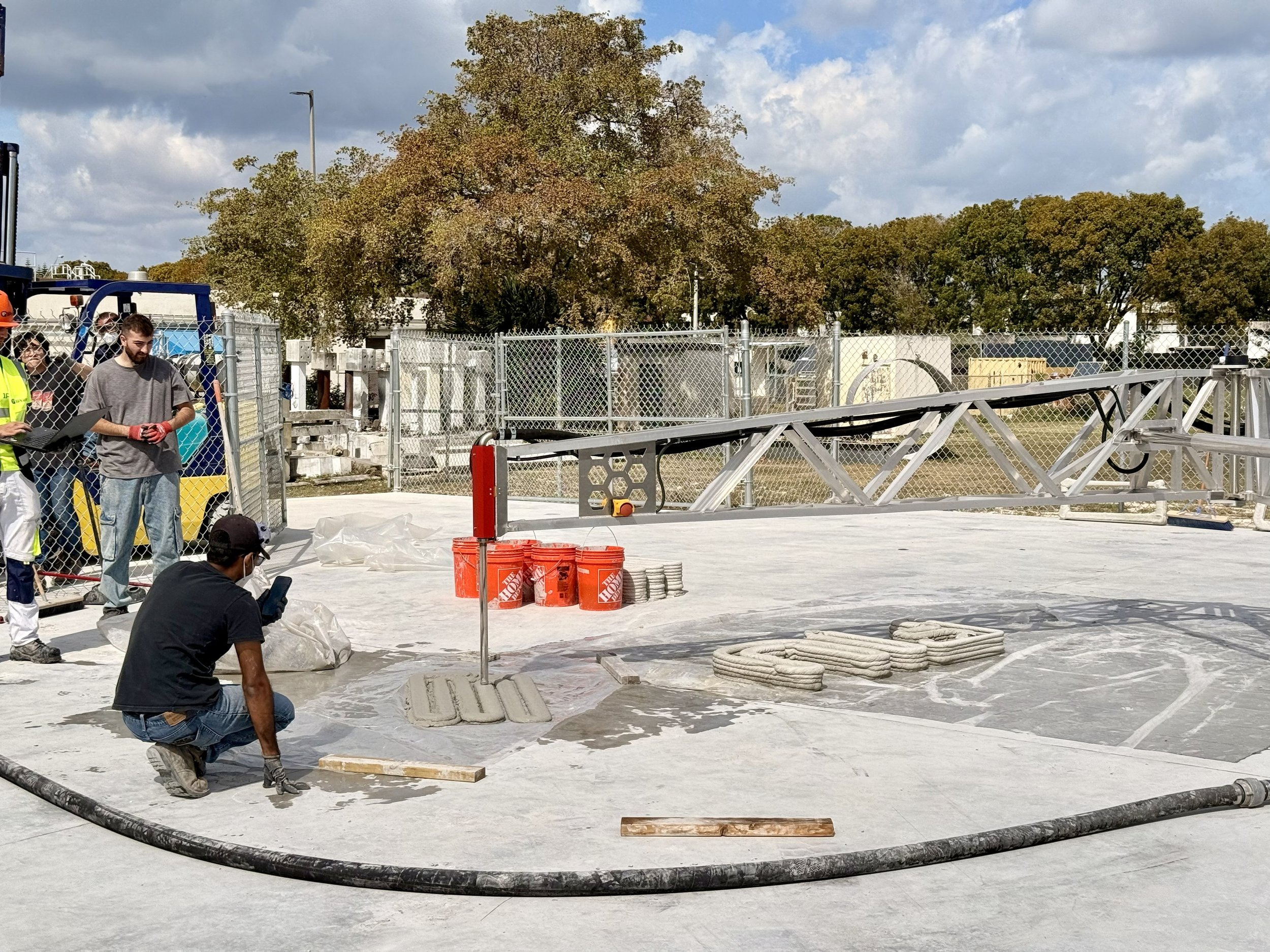
FIU welcomed attendees to tour three of their leading research facilities, including the Wall of Wind, a nationally recognized hurricane simulation facility capable of generating Category 5 wind speeds to test how buildings, materials, and infrastructure perform under extreme storm conditions. At the Concrete Materials Laboratory, attendees saw large-scale 3D concrete printing in action, demonstrating how advanced construction techniques are being developed and tested for future infrastructure applications. Participants also toured the university’s campus solar array and operational microgrid, a real-world example of distributed energy and resilient power systems.
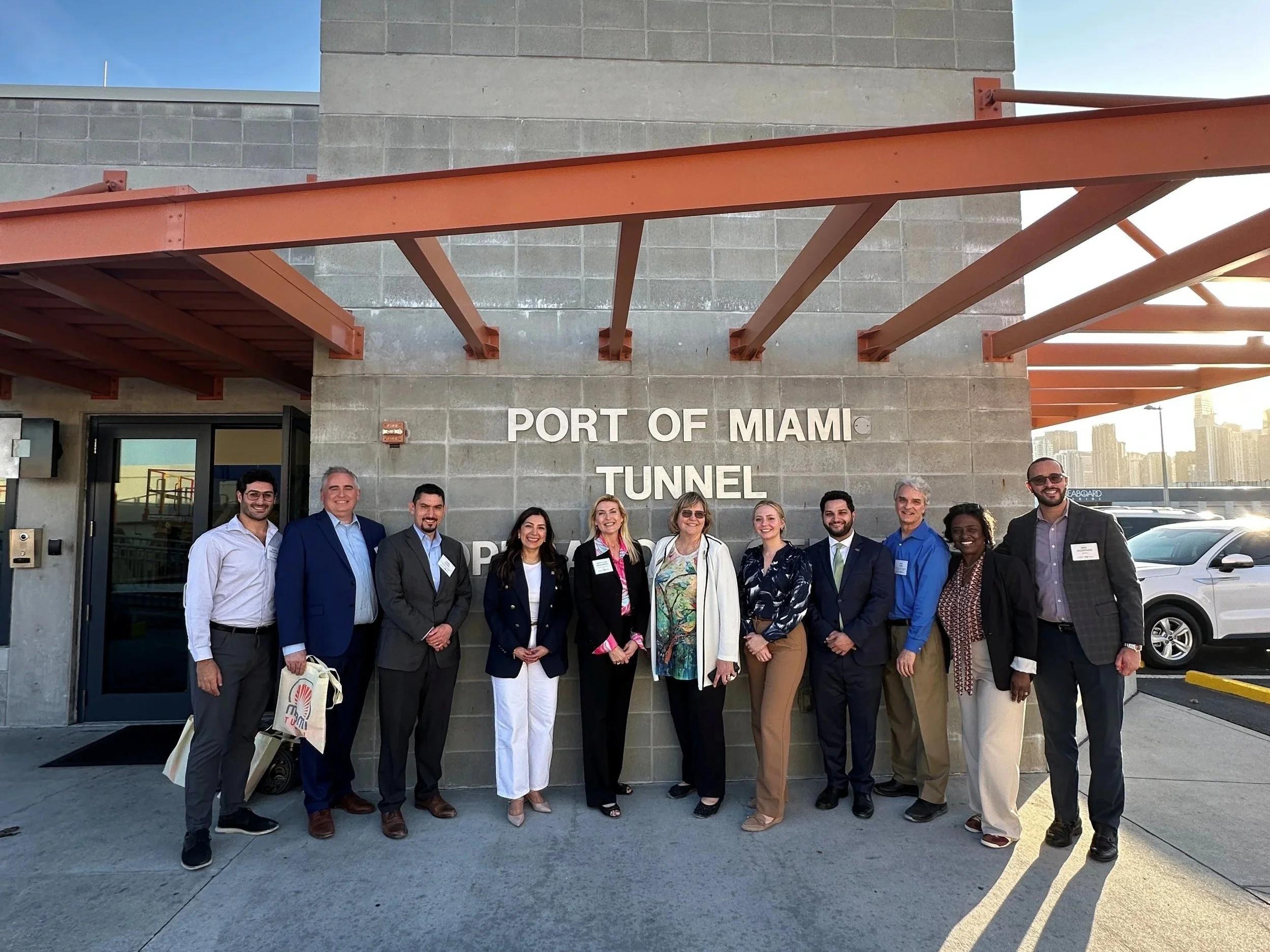
The day also included two off-site visits highlighting how research and innovation are already translating into deployed infrastructure. At Kind Designs, attendees observed the 3D concrete printing of “living seawalls,” illustrating how technologies explored in university labs are being used to create coastal protection systems that both defend shorelines and support marine biodiversity. Participants also toured the Port of Miami Tunnel, a major public-private partnership project between Meridiam and FDOT that achieves robust flood protection and storm-resiliency with improved freight mobility and safety around the port. Together, the lab and project tours connected the workshop’s policy discussions to tangible examples, allowing participants to see how innovation, investment, and cross-sector collaboration can transform into infrastructure that strengthens communities.
Bipartisan legislation targets rural water utility reliability
U.S. Senators John Boozman (R-AR) and Mark Kelly (D-AZ) have introduced the Futureproofing Local Operations for Water Systems (FLOWS) Act of 2026 that, if passed, would create a competitive EPA grant program to help rural utilities maintain and modernize their water, wastewater, and stormwater systems, increasing reliability and security. The grants could also be used for workforce training and ongoing cybersecurity assistance.
An announcement of the new legislation touts support from UFI Steering Committee partner American Society of Civil Engineers (ASCE) and UFI Partnership Network colleagues Bentley Systems.
“The 2025 Report Card for America's Infrastructure found that to raise the grades for our nation's drinking water and wastewater systems, we must be helping local utilities implement digital technologies that can improve system operations and efficiency. ASCE applauds the FLOWS Act as a practical, commonsense step to modernize how we plan, operate, and maintain our nation's vital water infrastructure. By providing rural communities with access to the digital tools they need to provide safe water systems and opportunities to train their local workforce on these tools, the FLOWS Act is bringing technology solutions to the communities that need it most,” said ASCE President Marsha Anderson Bomar, Ph.D.
“This legislation empowers project managers, agencies, and states with digital infrastructure technologies in order to design, build, and operate more resilient and efficient water infrastructure,” said Bentley Systems U.S. Government Relations Director David Lieberman. “Investing in digital twin technology and AI will directly improve the performance of water systems in rural America. The FLOWS Act provides a vital investment in modernizing essential infrastructure for the health and safety of our nation’s communities.”
NACo launches We Are Counties national advocacy campaign
NACo, a UFI Steering Committee partner, is elevating county-level stories and the role that county governments play through a new national public affairs advocacy campaign called We Are Counties.
"We are proud to share the story of counties across the United States,” said NACo President J.D. Clark. “Counties are on the front lines every day—delivering vital public health, infrastructure, public safety, economic development, and human services that strengthen our communities. By elevating this message, we hope to deepen understanding of the essential role counties play in serving residents and supporting our intergovernmental partners.”
Across the nation, there are 3,069 counties, parishes, and boroughs, serving residents wherever they live and work.
NAM wraps up State of Manufacturing Tour, calls for comprehensive permitting reform
National Association of Manufacturers’ leaders ended a 10-day, cross-country tour by reiterating calls for Congress to pass robust and sustained infrastructure funding and commonsense, comprehensive permitting reform. NAM completed its State of Manufacturing Tour in Phoenix, Arizona.
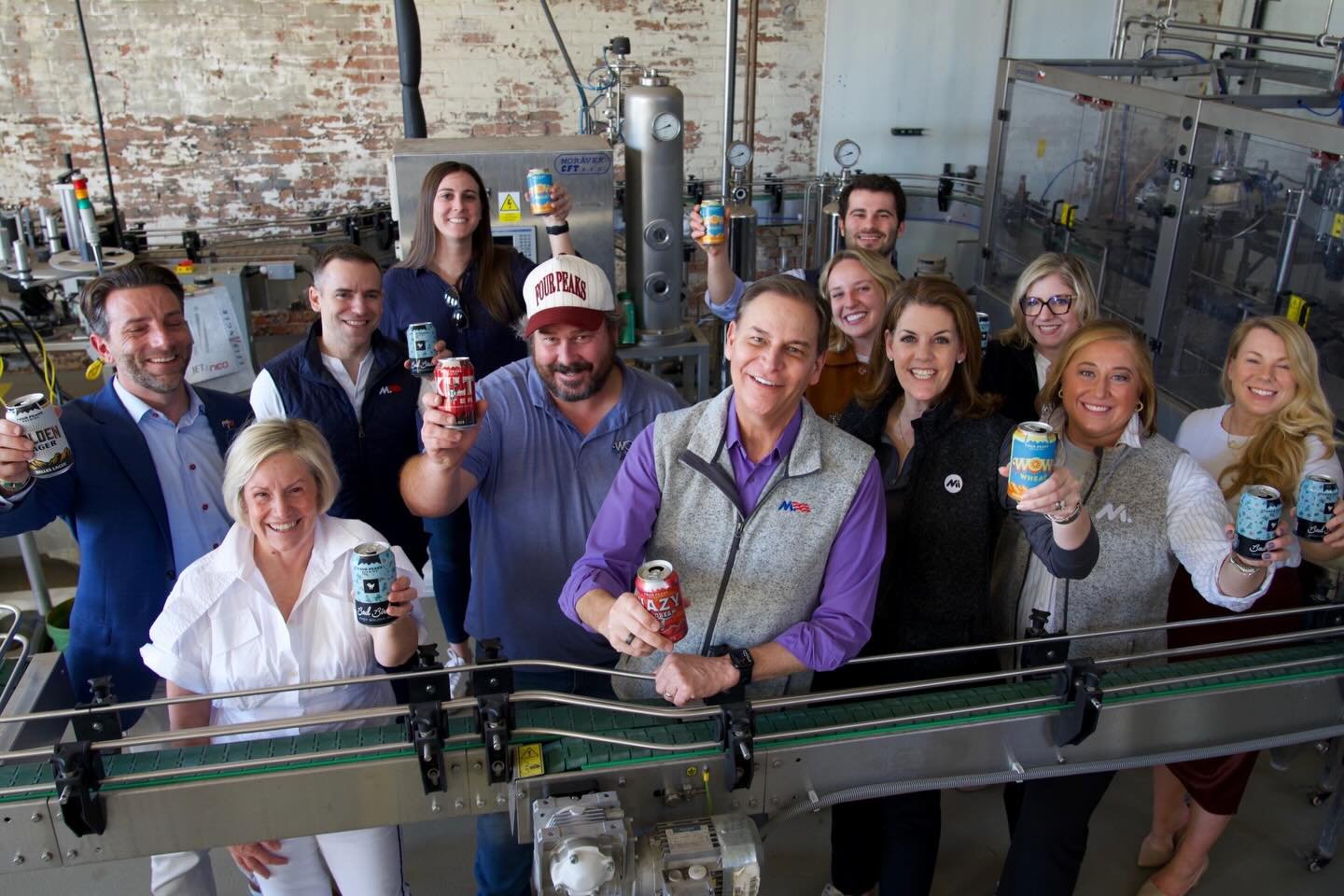
“Arizona shows what happens when competitiveness leads,” said NAM President and CEO Jay Timmons. “It didn’t happen by chance — it happened because this state has chosen to lead on taxes, workforce, and a business climate. But even here, federal permitting delays threaten progress. If we’re serious about semiconductors, critical minerals, and energy infrastructure, it’s time to build the next generation of robust infrastructure we need, and 2026 must be the year of permitting reform.”
The tour brought together manufacturing leaders, workers, educators, students, and elected officials to highlight the policies and conditions needed for the United States to compete and win in a global economy, including focusing on innovation, tax policy, permitting reform, energy dominance, workforce, and trade policy.
Last fall, NAM joined UFI and other partners in asking Congress to maintain robust, sustained federal infrastructure funding, ensure Highway Trust Fund solvency, streamline permitting and approvals processes, and prioritize investments in resilience, innovation, and workforce.
Let's build a stronger America together
Join us in building a stronger America by planning an event for Infrastructure Week 2026 (May 18–22) and sharing your story about the importance of sustained federal infrastructure funding. Explore the Infrastructure Week Toolkit to plan your event and use the Building a Stronger America campaign resources to submit a short video detailing the impact of infrastructure investment in your community. Together, we can ensure communities nationwide receive the investments they need to thrive.