

Spotlight: A Framework for Building Enduring Infrastructure, Together
Dear Colleagues and Partners,
Today, we are spotlighting our United for Infrastructure Partnership Network member Bentley Systems, which recently released Built to Endure: A Smart Guide for U.S. Cities To Build Resilient Infrastructure That Lasts. The guide demonstrates ways that small and midsized communities can achieve greater infrastructure resilience — even with lean teams and resources.
Infrastructure that is vulnerable to weather and climate disasters creates unexpected and costly damages for communities across the United States. Since 2023, FEMA has issued more than 200 disaster declarations. Last week, a FEMA spokesperson stated the agency sent out more than $5 billion that week for recovery projects and warned about waning disaster relief funds as the Department of Homeland Security faces a continued shutdown. Investing in resilient infrastructure is more critical than ever to insulate communities from and mitigate the impacts of weather and climate disasters.

We are at a critical juncture for American infrastructure. While the Infrastructure Investment and Jobs Act (IIJA) has driven measurable progress, a persistent resilience gap remains — a vulnerability underscored by the over $462 billion in damages from major weather and climate disasters from 2022–2024 alone, according to NOAA. For many small and midsized U.S. counties and municipalities, responsible for much of the nation’s infrastructure, these impacts are compounded by limited staff, constrained budgets, and systems never designed to operate under today’s conditions. This resilience deficit threatens not only to undermine our recent progress but to leave our communities, economy, essential services, and natural systems increasingly exposed.
To help provide a path forward, Bentley Systems, in collaboration with Duke University, American Society of Civil Engineers (ASCE), AECOM, and Microsoft is proud to introduce Built to Endure: A Smart Guide for U.S. Cities to Build Resilient Infrastructure That Lasts. The guide is written first and foremost for small and midsized U.S. cities — places that manage complex, interconnected infrastructure systems with lean teams and real capacity constraints.

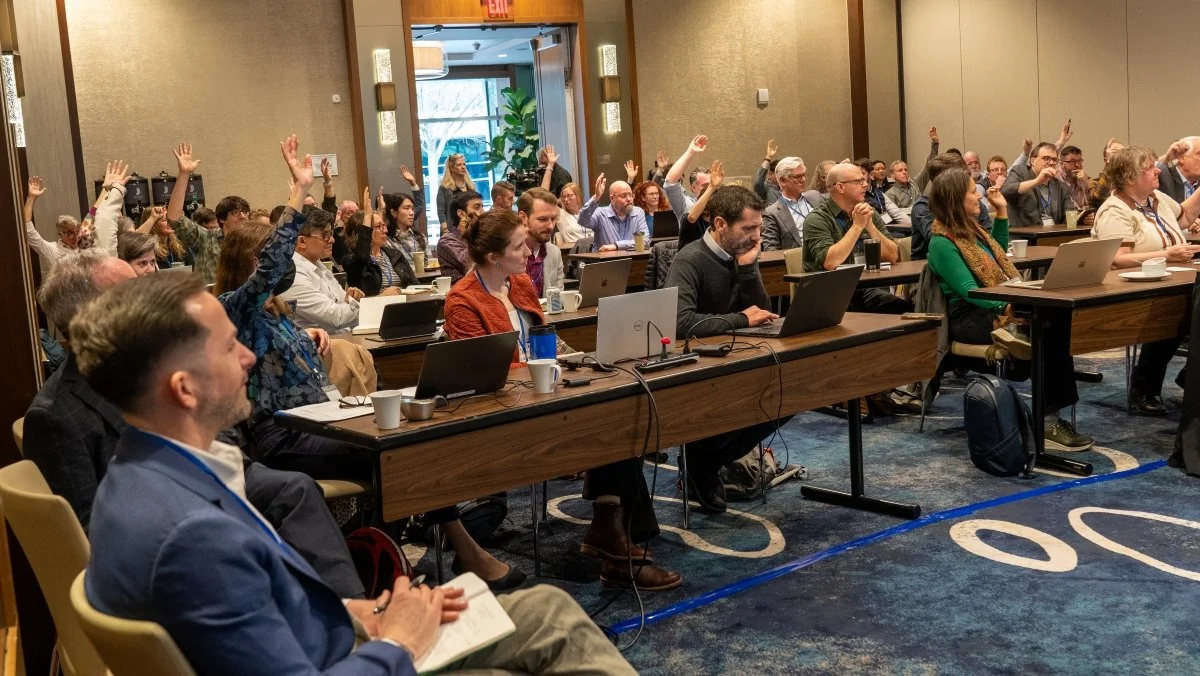
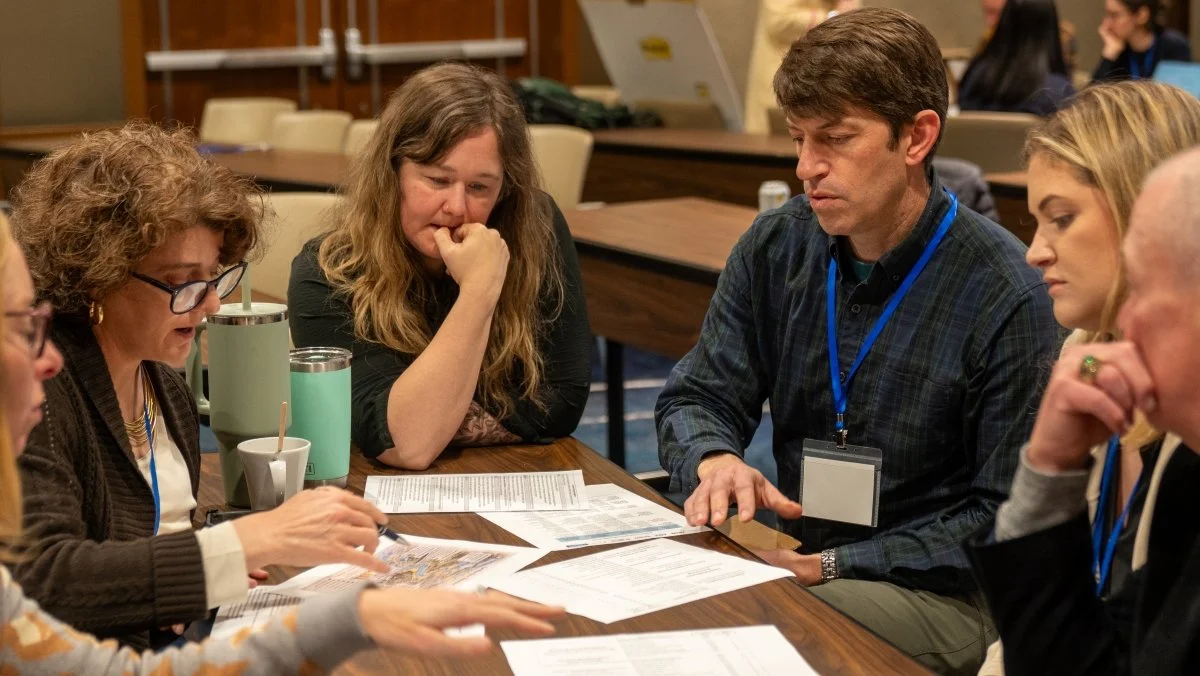

The guide is grounded in the premise that resilience is achievable when planning, policy, and people are aligned and supported by digital tools and data sources that make a systems-level approach to infrastructure practical and accessible. Built to Endure is intentionally not about adopting the “most advanced” technology; it is about using the right tools, with the right data, at the right scale to support people in their everyday municipal decision-making.
Built to Endure makes the case for a fundamental shift from traditional asset-by-asset repairs to a more holistic systems-based approach that recognizes how failures cascade across transportation, water, energy, communications, and emergency services. As the guide shows, economic and social losses from service disruptions often far exceed the cost of physical damage alone. The opportunity today is that integrated data platforms, accessible modeling, and digital twins now allow cities of all sizes to see those interdependencies clearly — and to act on them.
The guide is anchored by nine real-world case studies and is introduced by a foreword from Mayor Kate Gallego of Phoenix, Arizona, a champion for resilient infrastructure investment. From California to the Carolinas, from Norfolk, Virginia to New Zealand, these case studies demonstrate how municipalities are already applying systems thinking on the ground. Importantly, many of these communities began with incomplete data, limited staff, and existing tools — building capability over time rather than starting from scratch.
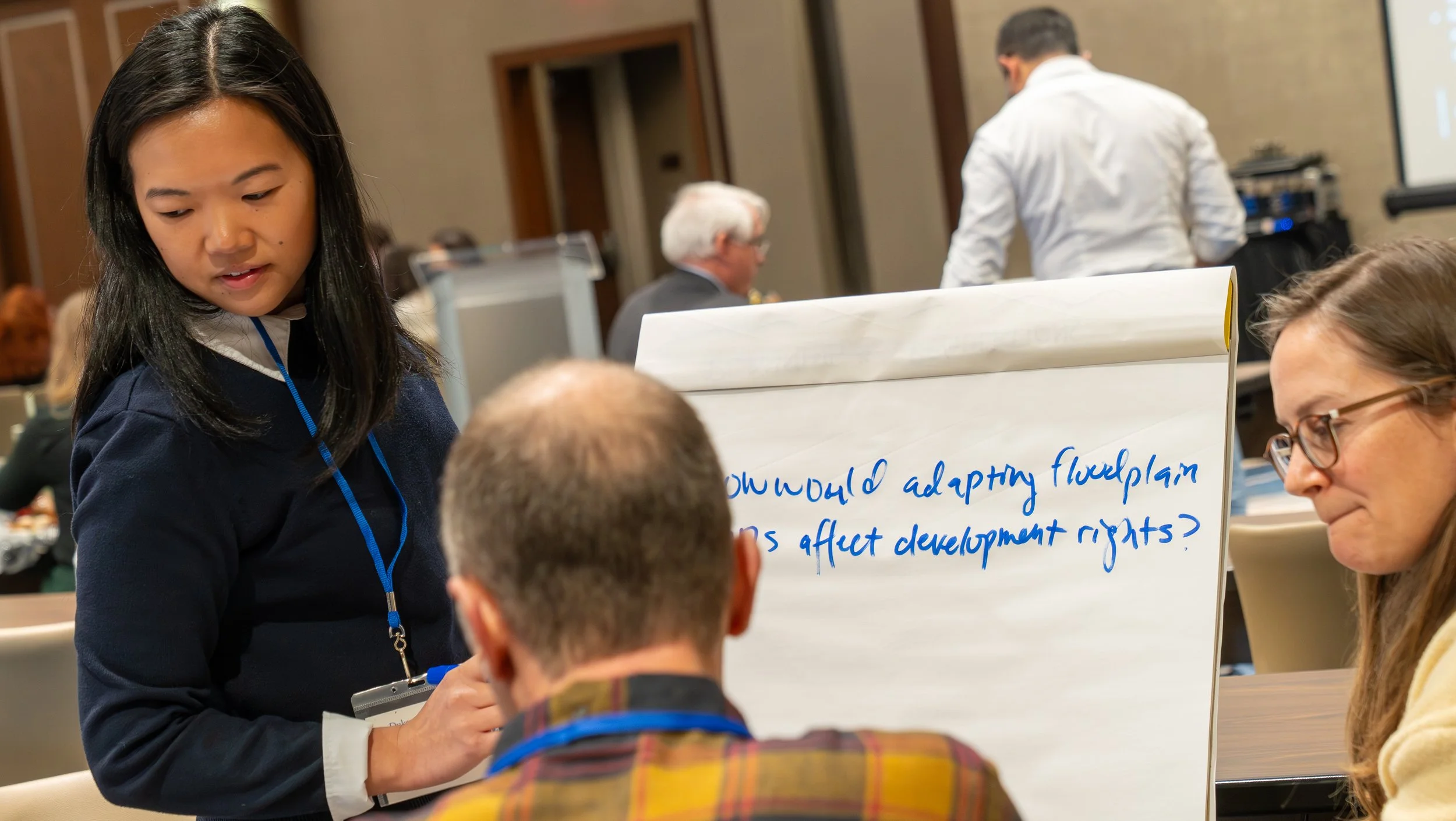
The guide details a framework for putting a systems approach into practice, built on three core pillars relevant to policymakers:
Enabling Strategic Planning: Shift from reactive repairs to a proactive systems-level view of risk. The guide shows how to use integrated data to target investments where they will have the most impact, ensuring limited resources go further.
Driving Policy and Regulatory Effectiveness: Craft policies and regulations that govern entire systems, not just individual projects. This includes using predictive analytics and AI to justify long-term, system-wide investments and aligning incentives across agencies and the private sector. Technology plays a critical enabling role, informing better policy by clarifying trade-offs and future risks.
Empowering Decision-Makers and Communities: Build consensus around system-wide priorities with clear, data-driven evidence. The guide demonstrates how dynamic visualization and digital twins can make the case for resilient projects to all stakeholders.
As we shape the next era of infrastructure policy, building infrastructure that lasts is a shared responsibility. We offer Built to Endure as a practical starting point — and an open invitation to collaborate. For United for Infrastructure’s municipal members, this guide is designed to support real-world decision-making today. We welcome the opportunity to work alongside cities and towns to apply these approaches, learn from local experience, and strengthen system-wide resilience together.
Sincerely,
Rory Linehan
Director, Infrastructure Policy Advancement
Bentley Systems