

Building a Stronger America: BUILD America 250 Act, Energy, and Water Take Center Stage at Infrastructure Week 2026
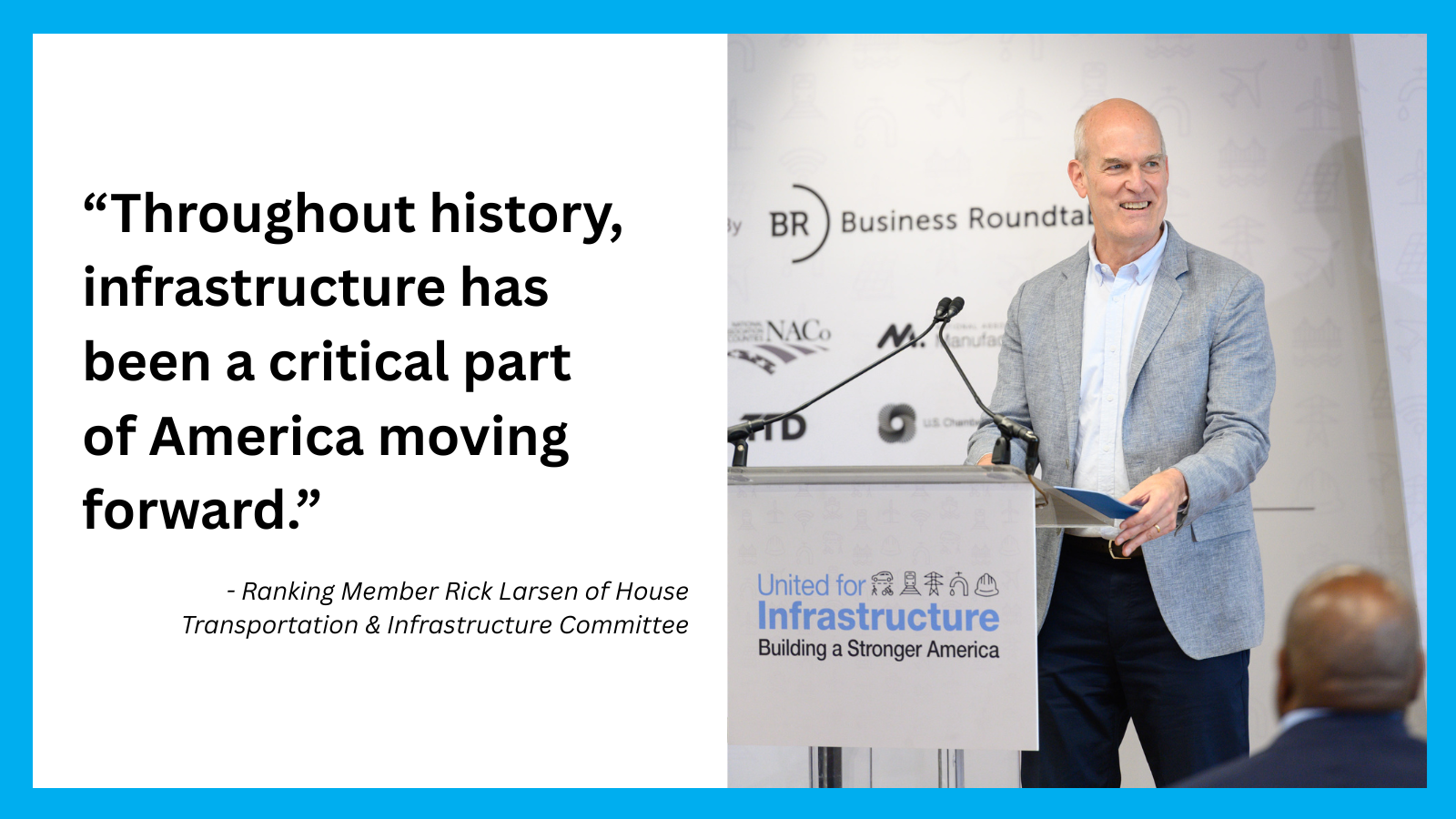
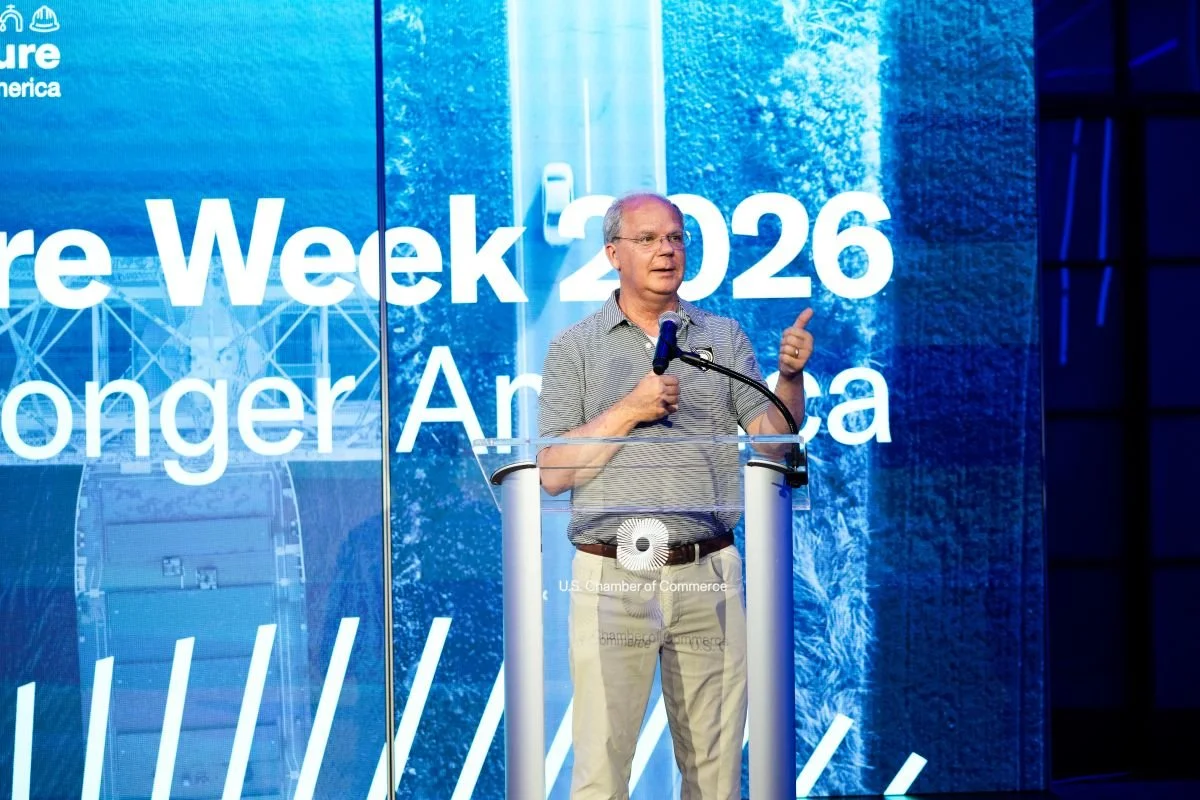
Today, markup begins on the BUILD America 250 Act, the next surface transportation bill. During his lunchtime keynote address at United for Infrastructure’s signature Infrastructure Week event on May 19, Ranking Member Rick Larsen, House Transportation and Infrastructure Committee, said the BUILD America 250 Act builds upon the Infrastructure Investment and Jobs Act funding levels and highlighted key bill components:
$375 billion in Highway Trust Fund dollars,
$87.5 billion for transit,
$65 billion in funding for rails,
$45 billion for bridges, and
Continuation of the Disadvantaged Business Enterprise (DBE) and roadway safety programs.
“While the BUILD America 250 Act doesn’t include all my priorities, this legislation moves us forward on creating good-paying transportation jobs, growing and supporting our economy, and helping safely transport people and goods across this country,” Larsen said.
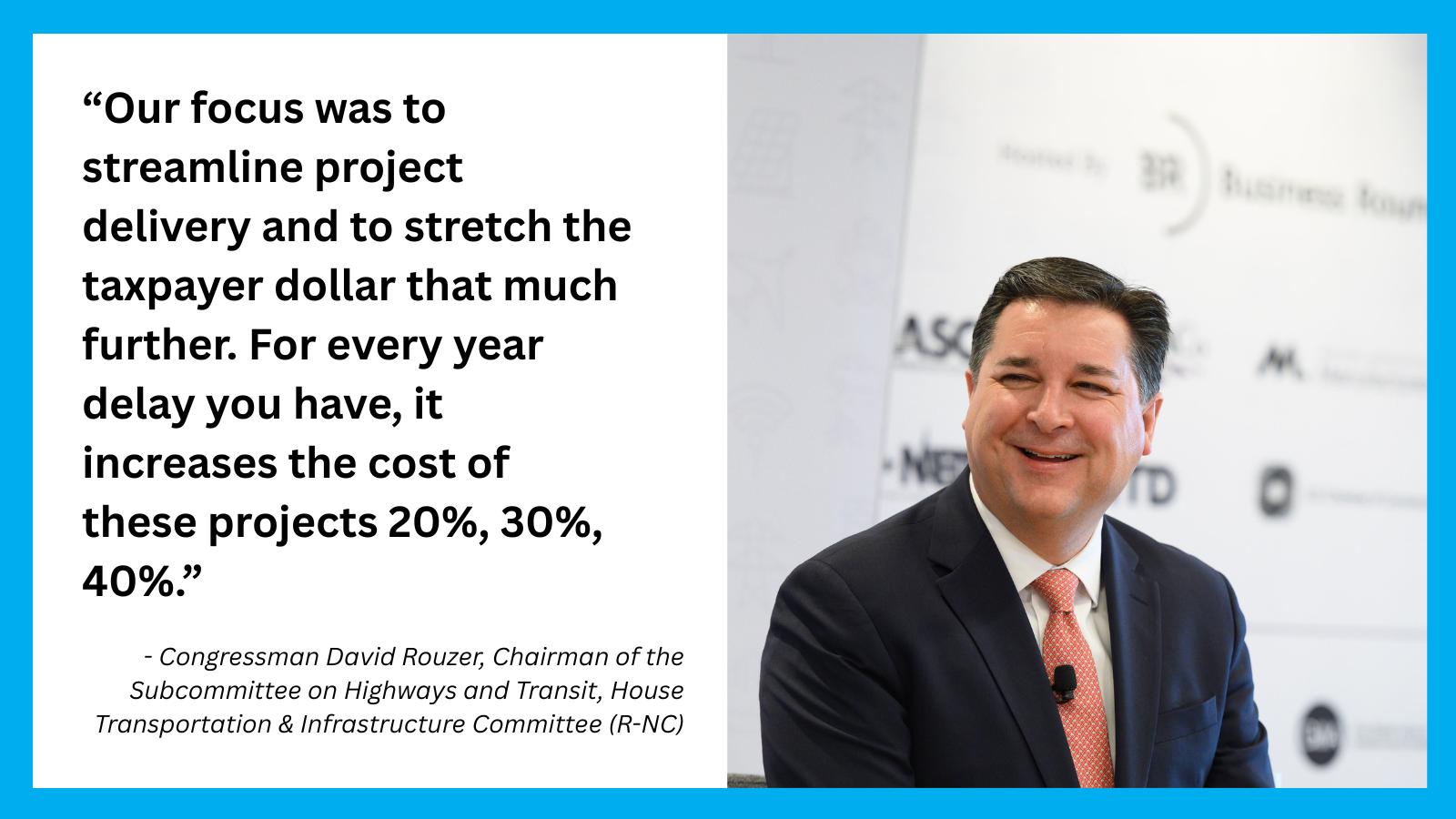
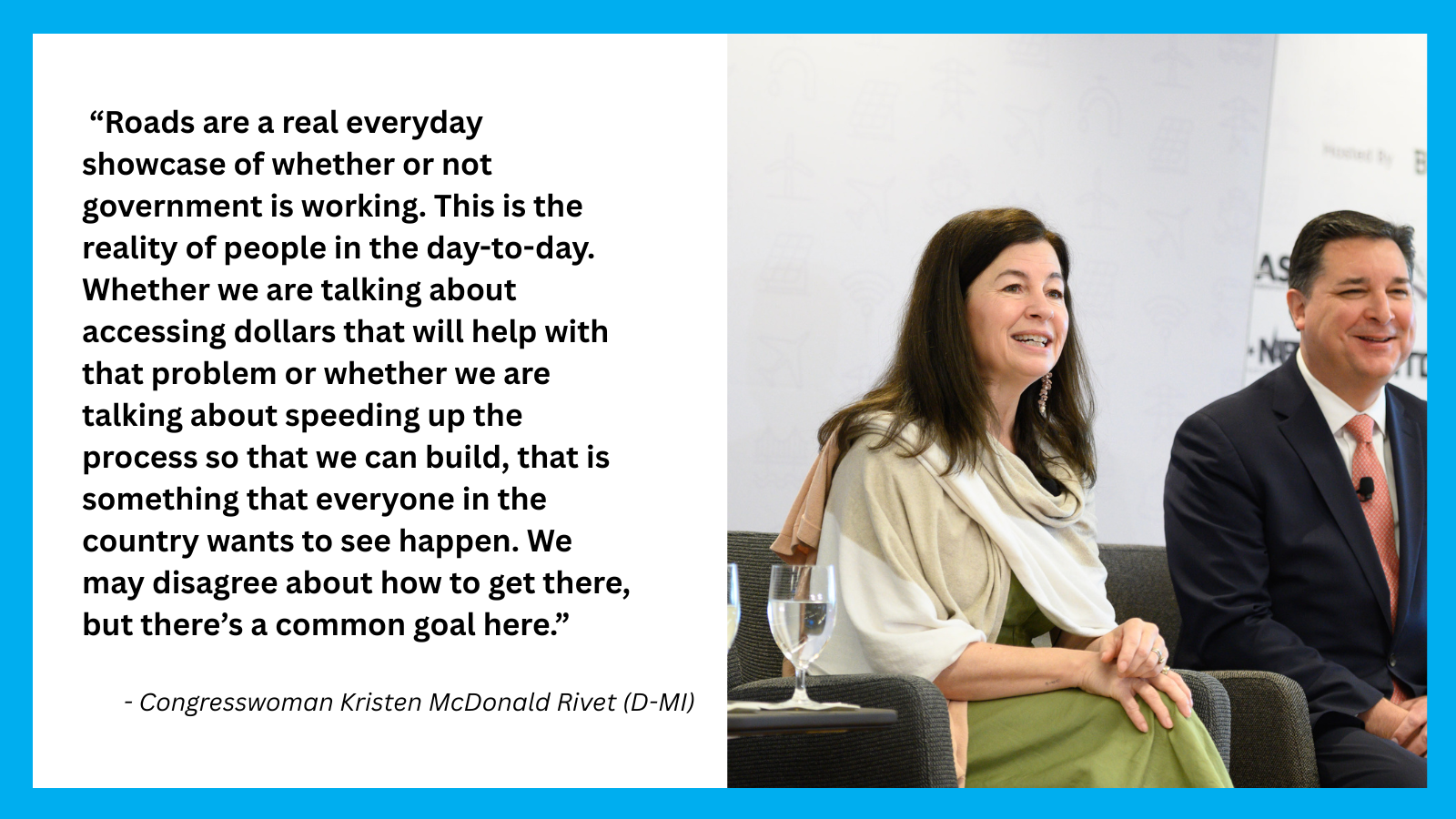
The event gathered Congress members, local officials, and business leaders to discuss the future of federal infrastructure investment. Legislators focused on reducing permitting delays and bottlenecks to lower project costs for taxpayers and communities.
With the United States facing an estimated $3.7 trillion infrastructure funding gap — and the Infrastructure Investment and Jobs Act (IIJA) set to expire in September 2026 — speakers underscored the importance of building on existing federal investments so that communities have the reliable funding needed to plan, repair, and build for the future.
“We know that our infrastructure needs investment, and the Infrastructure Investment and Jobs Act gave us the opportunity to repair what we have and build what we need,” said Miami Mayor Eileen Higgins. “It is great to see that the BUILD America 250 Act is building upon the IIJA and moving that forward. From a local government perspective, making sure we have a consistent, reliable source of funding allows us to plan.”
Tim Gatz, Secretary of the Oklahoma Department of Transportation, echoed that. “Having a reauthorization bill is extremely important to the state DOTs because it gives us that long-term view on funding levels, so I really appreciate the work being done there in a bipartisan manner,” he said.
Gatz applauded the continuation of formula funding to states and efforts to speed up project delivery but noted that state DOTs’ buying power has been “absolutely decimated. The funding levels are not going to keep up with that,” he said.
UFI’s Building a Stronger America campaign will continue this push for sustained federal infrastructure funding beyond Infrastructure Week, amplifying the voices and experiences of local leaders who know firsthand how investments in roads, water, transit, broadband, and energy systems strengthen communities and support economic growth.
FHWA Administrator McMaster: “We are getting America building again”
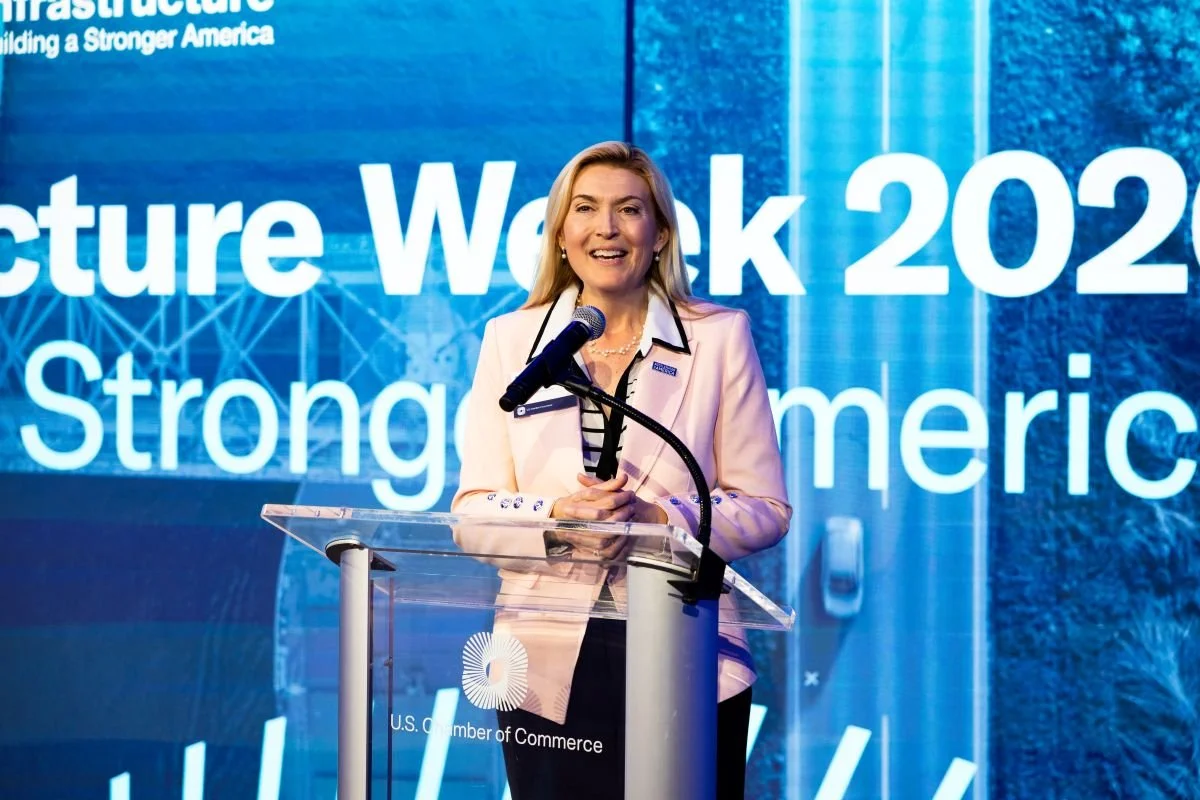
Kicking off our signature Infrastructure Week event, FHWA Administrator Sean McMaster emphasized that the agency is accelerating bridge upgrades, easing congestion, and making it simpler for communities to access federal dollars. He highlighted the administration’s push to streamline grant applications — with shorter, clearer requirements — and noted that DOT is preparing a busy season of new funding opportunities.
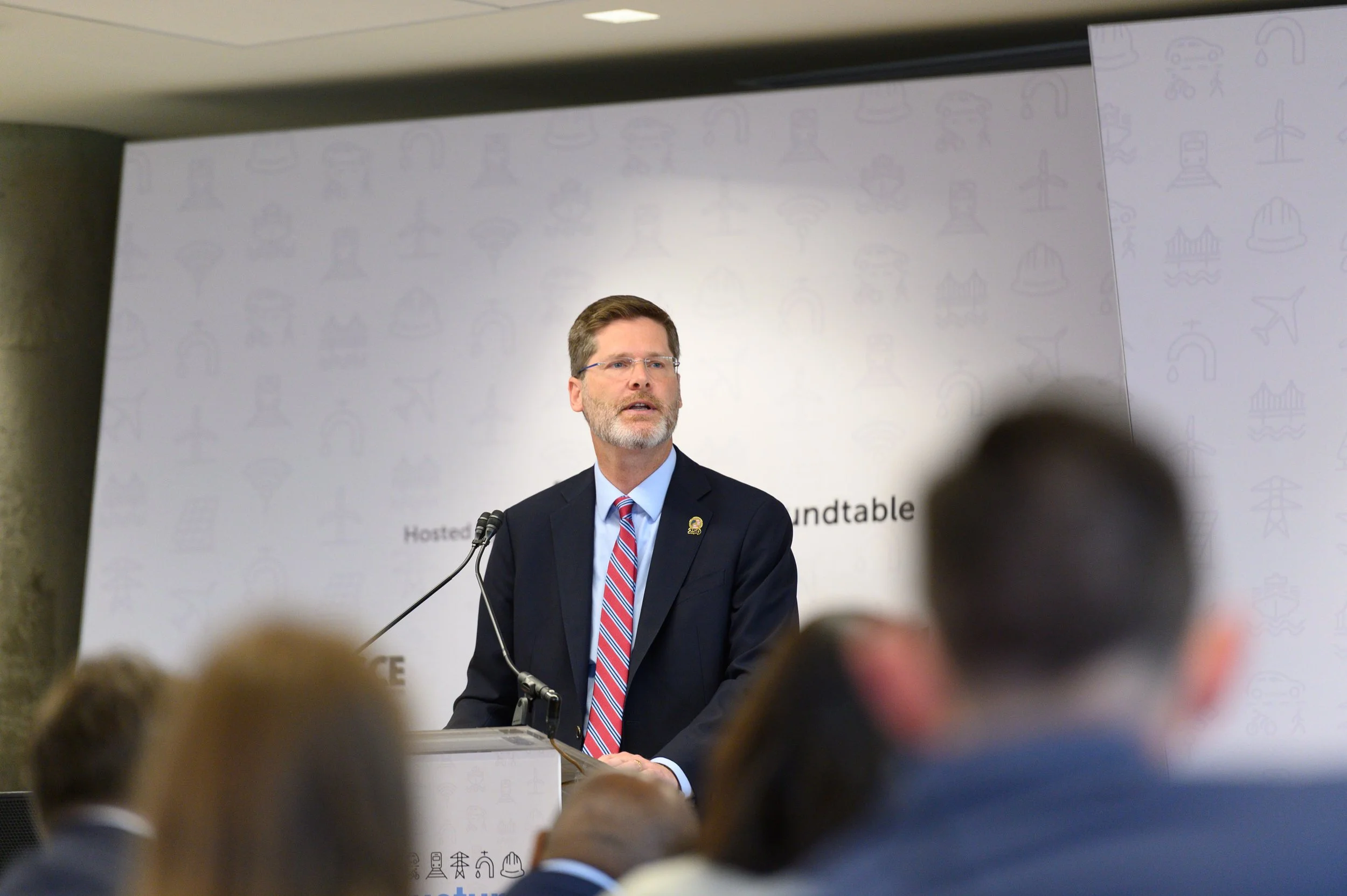
McMaster also underscored the urgency of tackling traffic bottlenecks nationwide, calling congestion a major drag on families and the economy. “We are getting America building again with a focus on large, durable projects that enhance our safety while connecting our country and our people,” he said. “We are here to get America moving.”
Read more on Transport Topics: FHWA Targets Bridges, Congestion in Infrastructure Projects
Beyond Roads and Bridges: Water and Energy Infrastructure
While talk about the newly released BUILD America 250 Act ruled the day, UFI’s signature event featured panel discussions about water infrastructure, the energy grid, and data centers.
The Hon. J.D. Clark, President of the National Association of Counties, underscored the significant community opposition local officials face regarding data center proposals. Public resistance has escalated to personal threats against policymakers. Clark called on data center developers to do more to educate people on what data centers are and how they operate.
“You should go and understand what the community temperature is out there on data centers. It is hot right now, and it is scary,” he said. “Communities are asking, ‘Why can’t you stop this?”
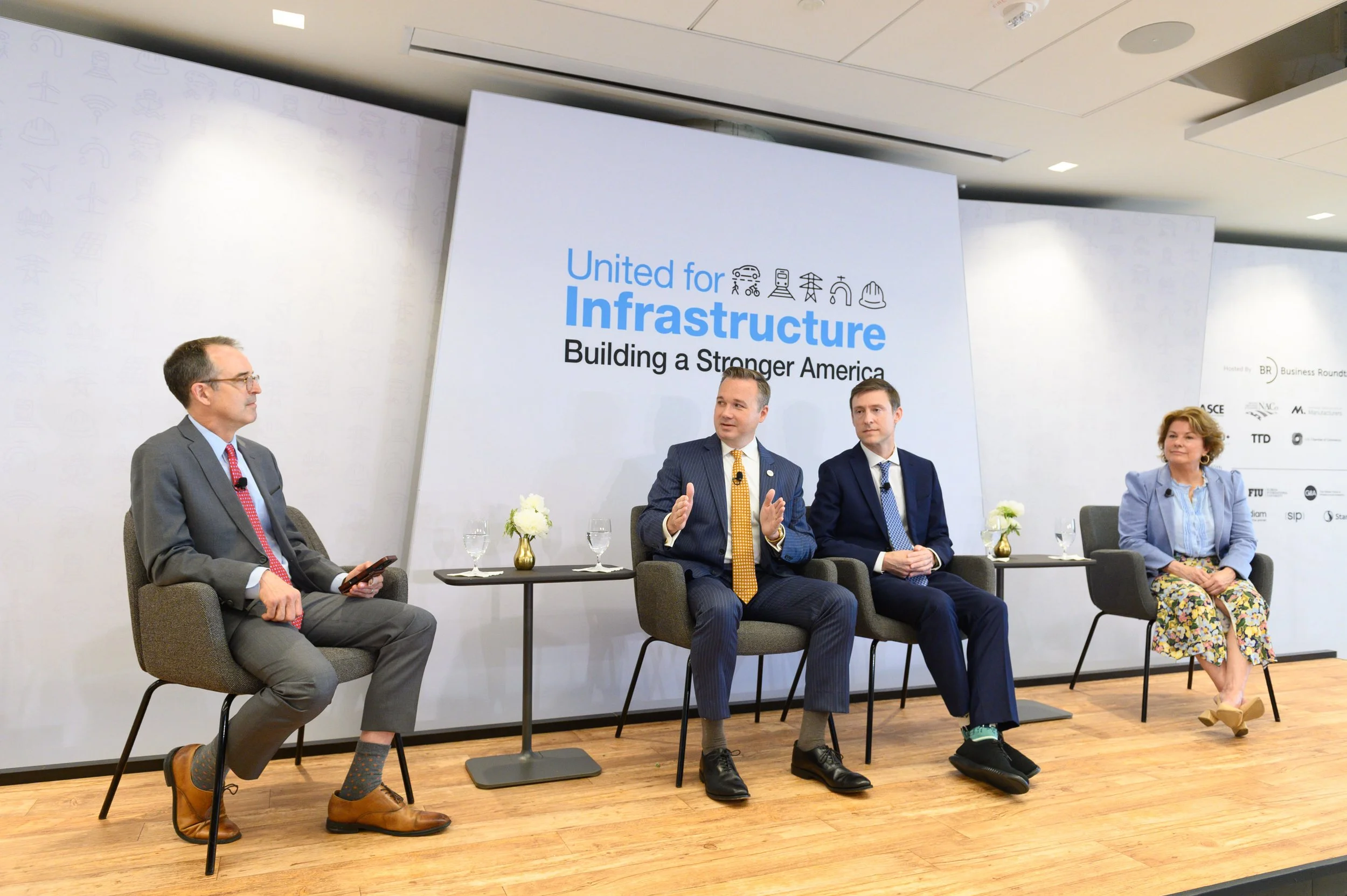
On the development side, David Gilford, Senior Advisor at Sidewalk Infrastructure Partners, compared the challenges with grid capacity to driving across the George Washington Bridge. During rush hour, capacity on the bridge is strained, but during non-peak hours, drivers can cross the bridge with relative ease.
“It’s not do we have enough grid capacity; it is how power is generated and how power is used,” Gilford said.
The day concluded with a panel about the critical importance of water systems to provide clean and safe drinking water and keep our economy growing. David Goldwater, Senior Vice President of Public Policy at Stantec, called out the lack of significant traditional water infrastructure funding in recent infrastructure legislation. “As an industry, we need to fight for water funding.”
Corpus Christi, TX City Manager Peter Zanoni provided the ground-level perspective of what happens when water infrastructure doesn’t receive the investment it needs.
“You can get around with a couple of potholes. You can still drive around those 18-wheelers,” he said. “What we are seeing is you can’t have a vibrant economy without water. If the supply is not enough for the demand, it can cripple an economy, and we are seeing that in Corpus Christi right now.”
Infrastructure Week 2026: Washington Leads the Conversation
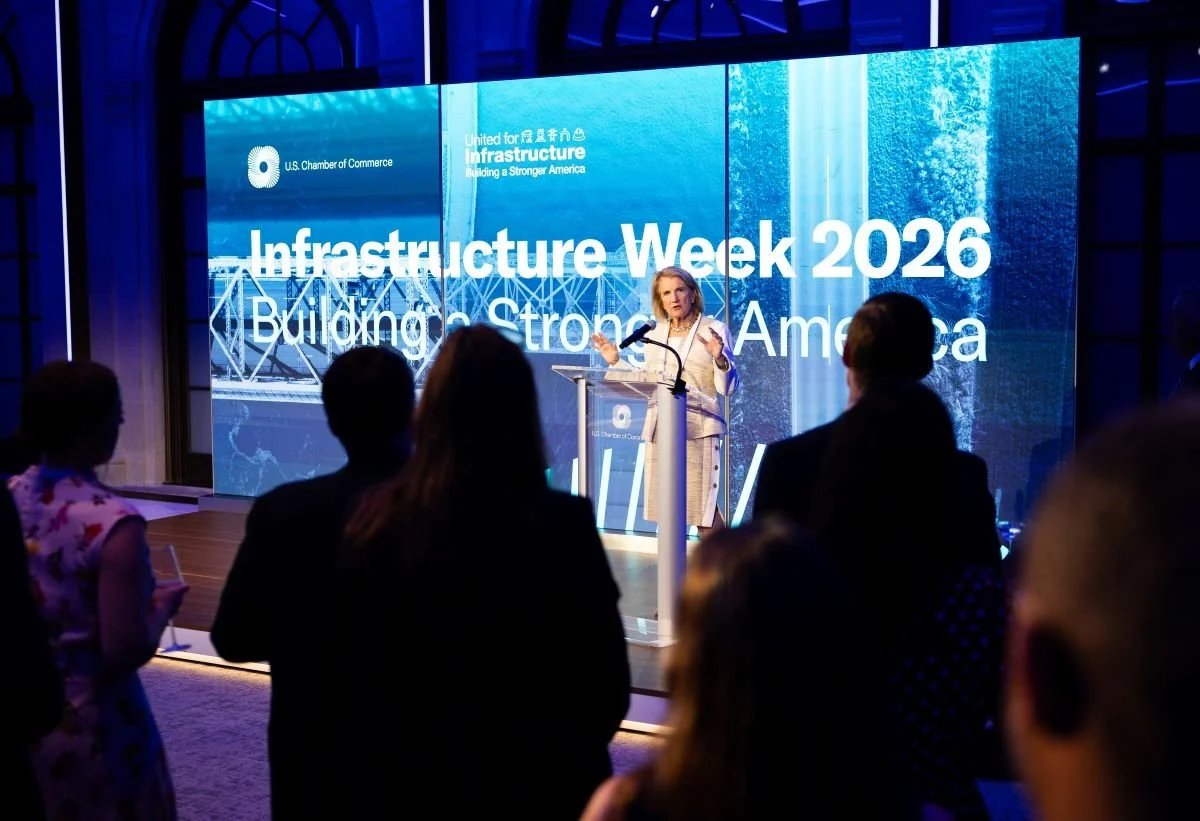
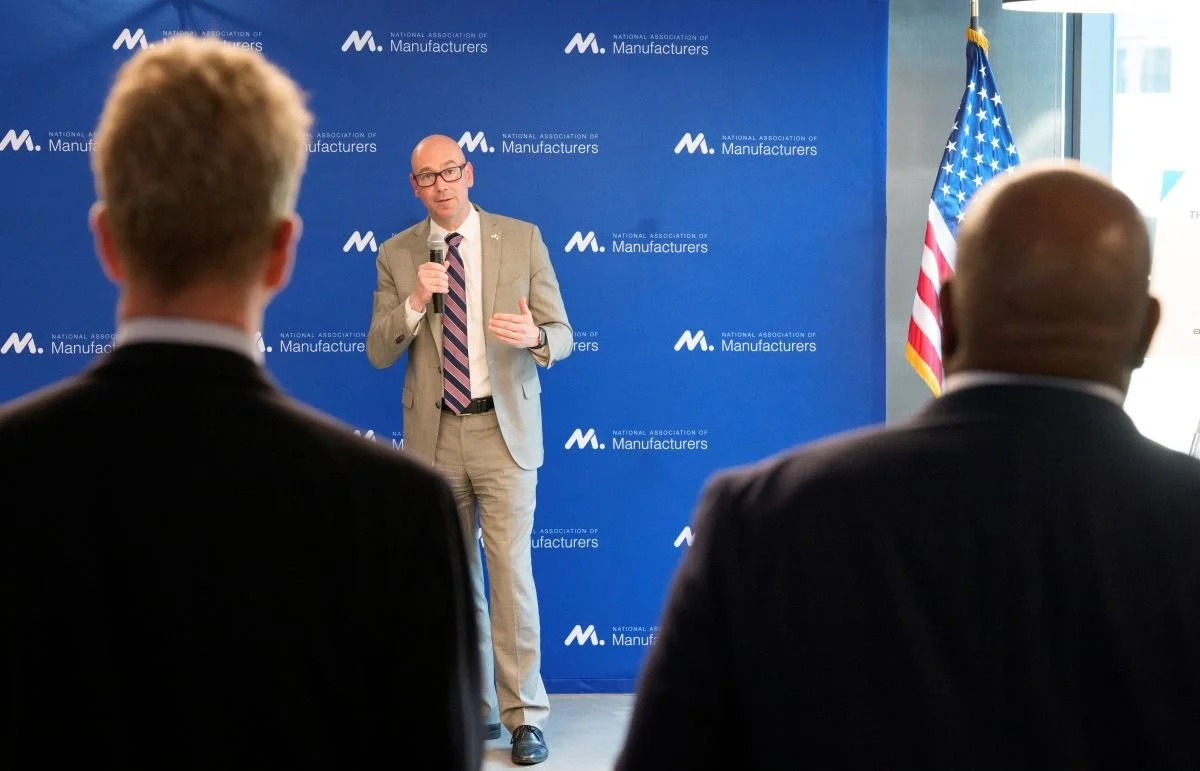
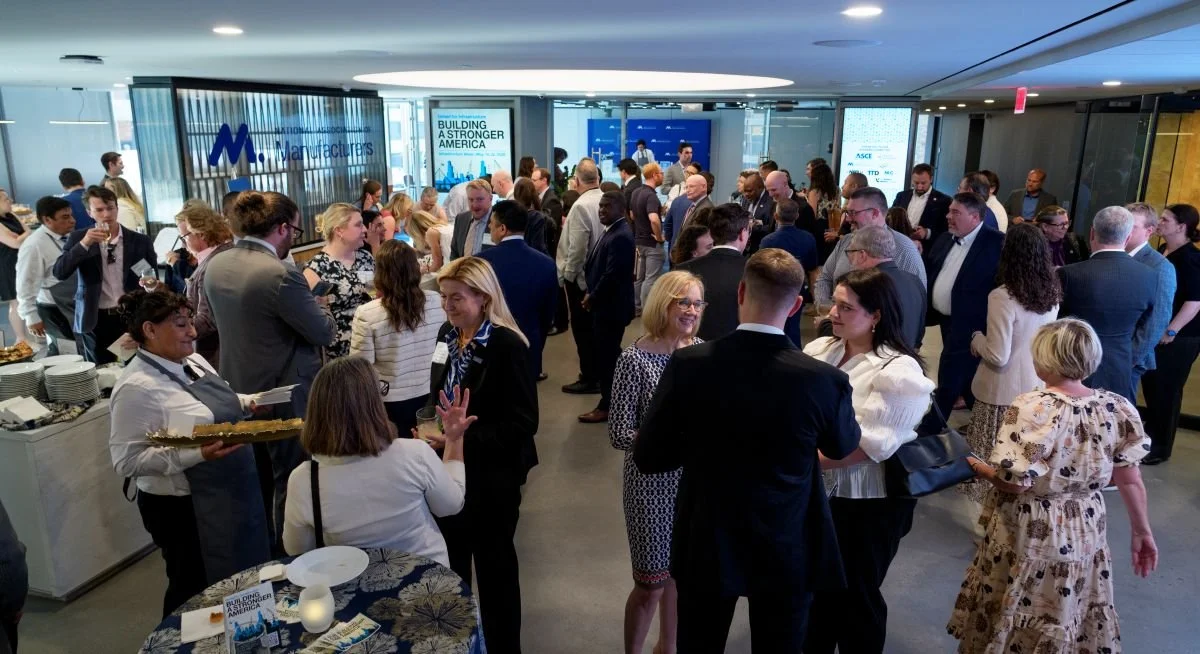
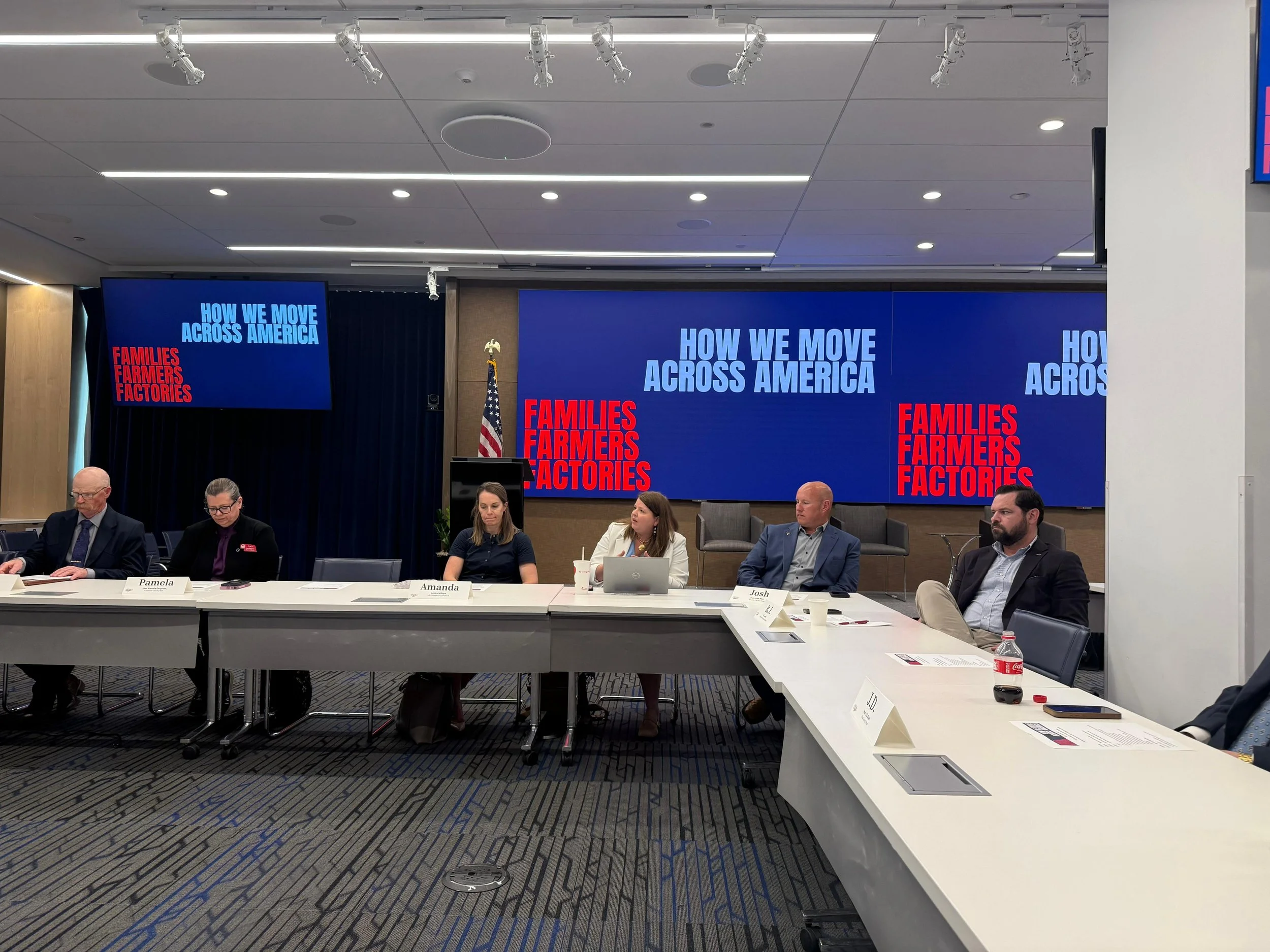
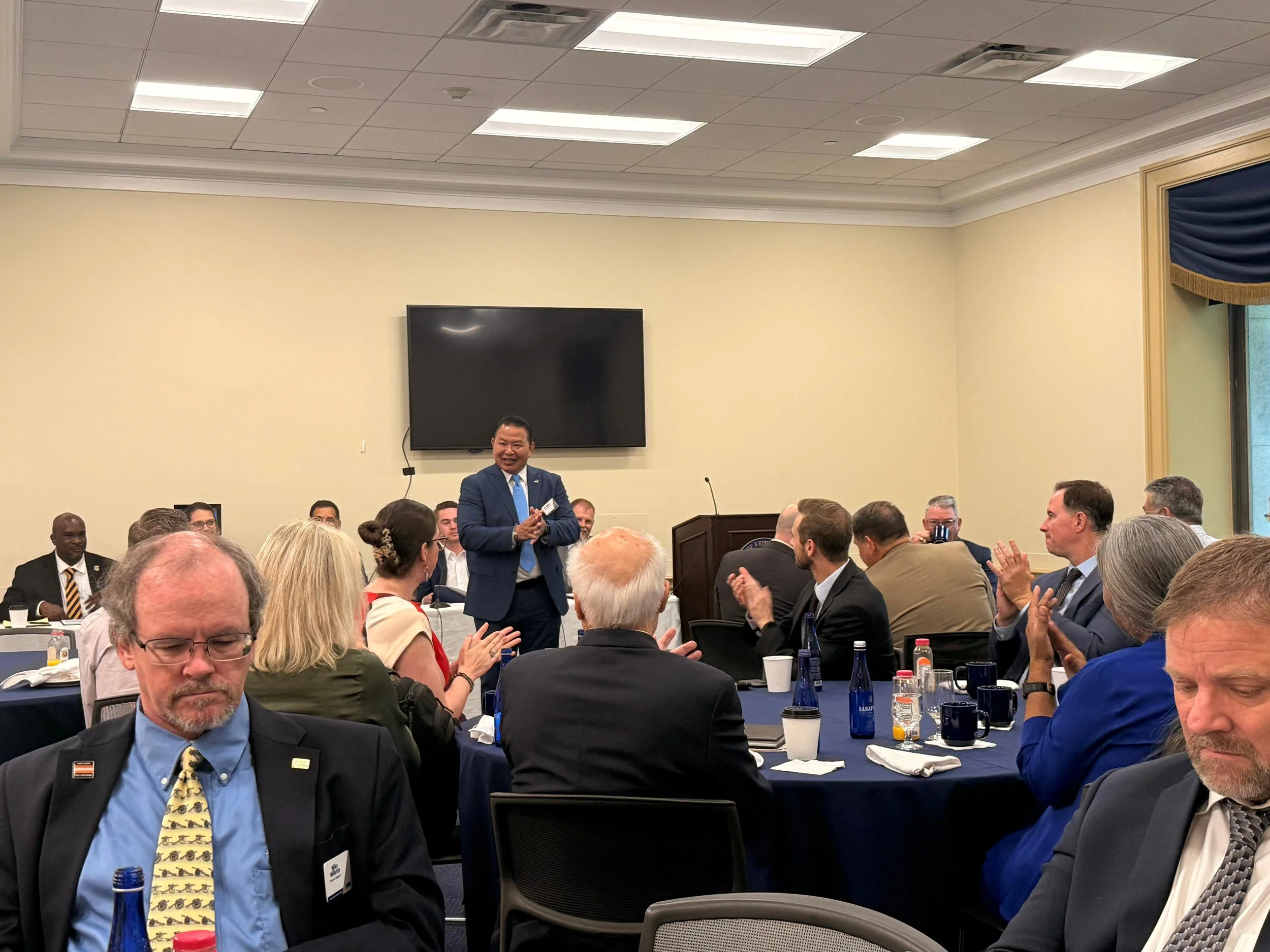
UFI joined partners and policymakers for a series of receptions and discussions in Washington, D.C. spotlighting America’s infrastructure momentum. From the Business Roundtable to Capitol Hill, leaders shared how federal investment is translating into local progress — modernizing transit, strengthening water systems, and connecting communities. The energy in every room reflected a shared commitment to building a stronger, more resilient nation.

Stay Connected!
Be an advocate for the value of investments in our nation's infrastructure by amplifying UFI within your network! Follow us on X and LinkedIn for infrastructure-related news, updates, and information from our esteemed Steering Committee and valued Partnership Network.
Got a story we should know about? Has your infrastructure project or initiative been in the news lately? Help us amplify it by tagging us: @United4infra or #UnitedForInfrastructure.